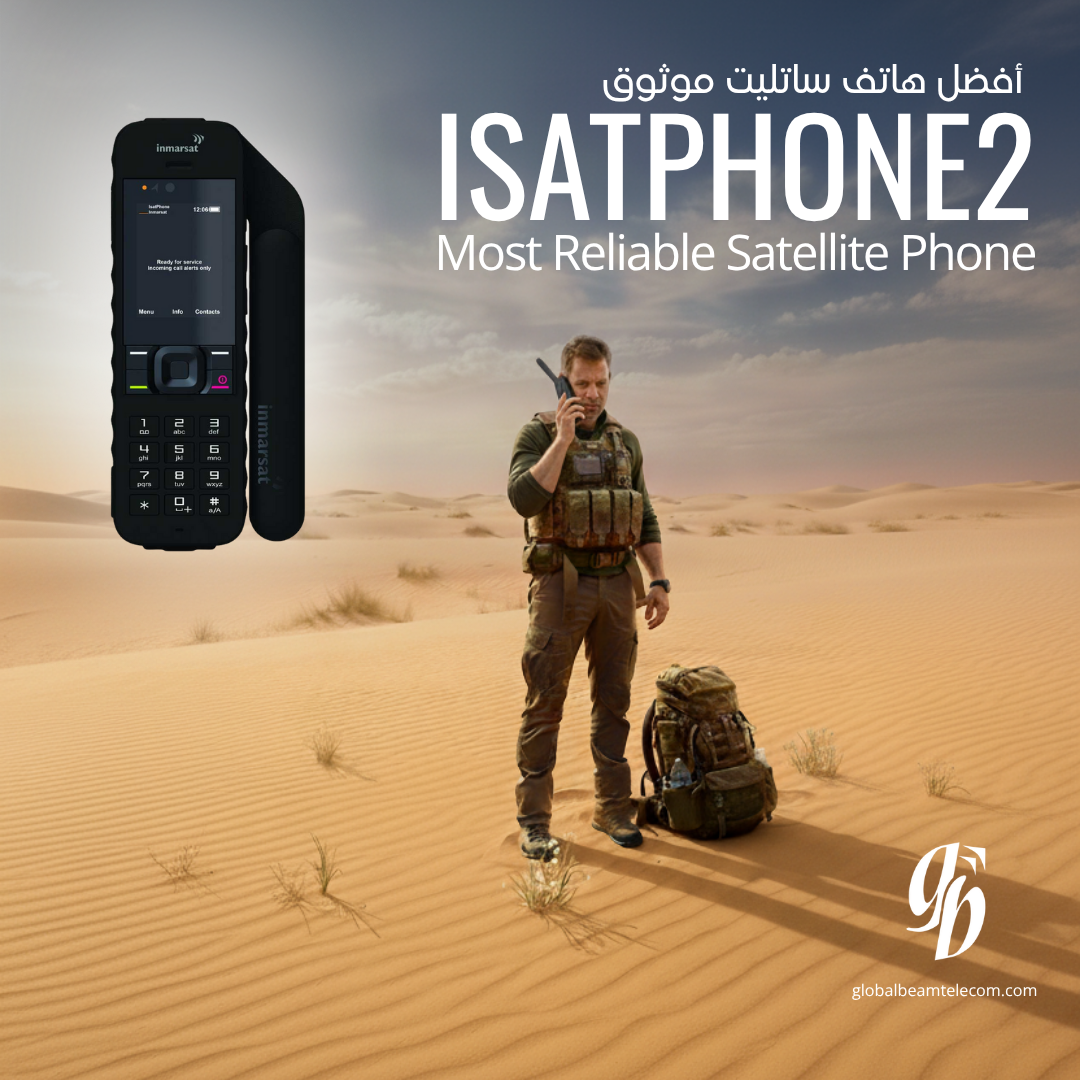
Satellite Phone Guide: How IsatPhone 2 Keeps You Connected Anywhere
When you're operating beyond the reach of mobile networks, communication becomes more than a convenience—it can become a safety requirement.
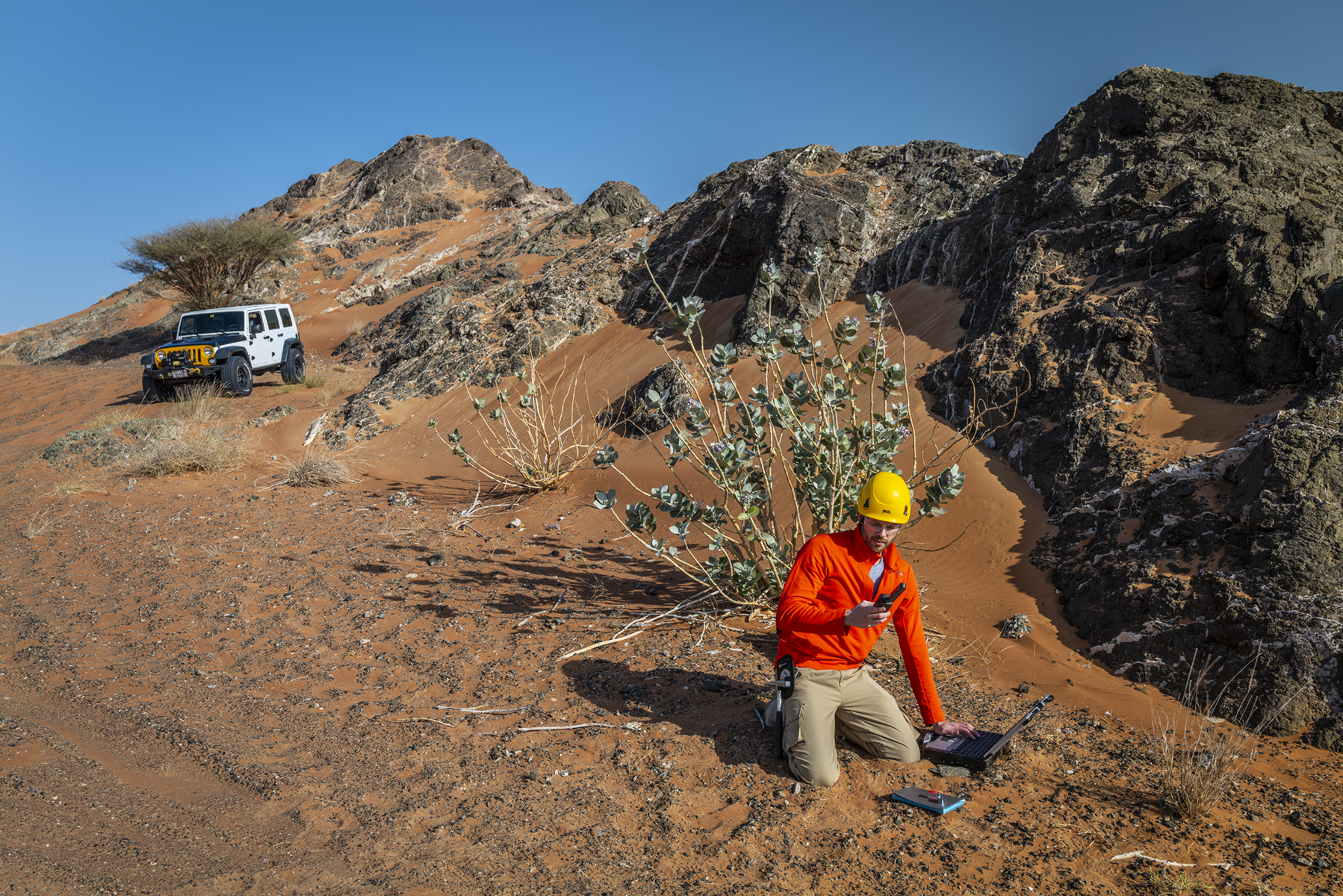
A satellite phone provides voice and messaging connectivity through satellites instead of conventional cellular towers. This makes satellite phones particularly valuable for remote areas such as deserts, offshore locations, mountains, mining sites, oil and gas fields, and disaster-affected regions.
Among professional satellite communication solutions, the Inmarsat IsatPhone 2 was designed specifically for users who need dependable voice communication in challenging environments.
What Is a Satellite Phone?
A satellite phone, commonly called a satphone, is a mobile communication device that connects directly to a satellite network rather than relying on local cellular infrastructure.
A conventional mobile phone typically depends on nearby:
Cellular towers
Mobile network coverage
Local telecommunications infrastructure
A satellite phone uses a different communication path:
Satellite Phone → Satellite Network → Ground Infrastructure → Telephone Network
This makes satellite communication particularly useful when terrestrial communication infrastructure is unavailable, damaged, or outside coverage.
Why Do You Need a Satellite Phone?
Mobile networks provide excellent coverage in populated areas, but their availability can change dramatically when travelling into remote environments.
A satellite phone can provide an additional communication option for organizations and individuals operating in locations where cellular coverage cannot be relied upon.
Common situations include:
Remote desert operations
Offshore and maritime activities
Oil and gas exploration
Mining operations
Search and rescue
Disaster response
Remote construction projects
Adventure expeditions
Government and humanitarian missions
Emergency communications
For a field team working hundreds of kilometres from the nearest city, having a reliable communication link can make a significant operational difference.
IsatPhone 2: A Rugged Satellite Phone for Remote Communications
The Inmarsat IsatPhone 2 is a handheld satellite phone developed for voice and messaging communications in remote environments.
It operates through Inmarsat's Global Satellite Phone Service (GSPS), which provides global voice and SMS services through the Inmarsat satellite network.
The IsatPhone 2 was designed with field users in mind, combining a compact handheld form factor with features intended for demanding environments.
According to Inmarsat documentation, the handset supports up to 8 hours of talk time and up to 160 hours of standby time, while network registration can take less than 45 seconds under suitable conditions.
Key Features of the IsatPhone 2
1. Satellite-Based Voice Communication
The primary purpose of the IsatPhone 2 is dependable voice communication through the satellite network.
This makes it useful when conventional mobile coverage is unavailable.
2. Global Satellite Coverage
The IsatPhone 2 was designed to provide coverage across most of the world, with Inmarsat documentation noting coverage excluding the Poles.
For companies working across multiple countries or remote regions, this can provide a consistent communication option without depending on local cellular operators.
3. Rugged Construction
Remote operations can expose equipment to dust, moisture, temperature extremes, drops, and vibration.
The IsatPhone 2 is designed for harsh environments and is specified to operate from -20°C to +55°C, with IP65 dust and splash resistance.
4. GPS and Location Services
Location capability is particularly valuable when personnel are working in isolated areas.
The IsatPhone 2 includes GPS-related location services that can help communicate a user's position when required.
5. Assistance and Emergency Features
The handset includes an assistance button that can send GPS coordinates to an emergency response service when configured with the appropriate service.
This makes emergency communication an important consideration when deploying satellite phones for remote teams.
6. SMS Messaging
Satellite communication isn't limited to voice calls. The IsatPhone 2 also supports SMS and related messaging capabilities through the Inmarsat GSPS service.
Satellite Phone vs Mobile Phone
One of the easiest ways to understand the value of a satellite phone is to compare it with a conventional smartphone.
| Feature | Mobile Phone | Satellite Phone |
|---|---|---|
| Network | Cellular towers | Satellite network |
| Remote-area coverage | Limited | Designed for remote coverage |
| Infrastructure dependency | High | Lower dependence on terrestrial infrastructure |
| Voice calls | Yes | Yes |
| SMS | Yes | Yes |
| Internet | Excellent where available | Generally limited compared with 4G/5G |
| Best environment | Cities and populated areas | Remote and isolated areas |
| Emergency backup | Limited by network coverage | Useful where terrestrial networks are unavailable |
A satellite phone is therefore not necessarily a replacement for a smartphone. Instead, it can serve as a critical communication backup or primary communication device in remote operations.
Satellite Phone vs Two-Way Radio
Satellite phones and professional two-way radios solve different communication requirements.
Two-Way Radios
Two-way radios are excellent for:
Local team communication
Security operations
Construction sites
Hotels
Warehouses
Events
Industrial facilities
They are particularly effective when teams need instant Push-to-Talk communication.
Satellite Phones
Satellite phones are better suited for:
Remote locations
Long-distance communication
Offshore operations
International field teams
Emergency backup
Areas without cellular infrastructure
For example, a security team inside a large facility may use professional two-way radios for day-to-day coordination, while a remote exploration team may carry a satellite phone as its primary long-distance communication device.
Who Should Use a Satellite Phone?
A satellite phone can be valuable for organizations where communication availability directly affects safety or operational continuity.
Oil & Gas
Remote exploration and production sites may be located far from reliable cellular infrastructure. Satellite phones provide field teams with an additional communication channel for coordination and emergencies.
Mining
Mining operations frequently take place in remote regions. Satellite communication can support supervisors, engineers, contractors, and emergency teams.
Maritime
Offshore vessels and crews can operate far beyond terrestrial cellular coverage. Satellite communication provides an important link between vessels and shore-based teams.
Emergency Response
Natural disasters can damage or overload terrestrial communication infrastructure. Emergency teams can use satellite phones as part of their communications contingency plans.
Government and Humanitarian Operations
Field teams operating in remote or infrastructure-limited regions can use satellite communication to maintain contact with headquarters and support teams.
Adventure and Expedition Travel
Trekkers, explorers, expedition teams, and remote travellers may carry satellite phones for emergency and logistical communications.
How Does a Satellite Phone Work?
The basic communication process is different from a normal mobile phone.
Step 1 — The phone searches for the satellite
The satellite phone uses its antenna to establish communication with the satellite network.
Step 2 — The satellite receives the signal
The satellite receives the communication from the handset and routes it through the satellite network.
Step 3 — The network connects the call
The satellite network connects the communication to the intended telephone or communication service.
Step 4 — Voice or messaging is delivered
The recipient receives the call or message through the appropriate network.
Because the phone needs a suitable connection to the satellite, users generally need an appropriate view of the sky for reliable operation.
What Should You Consider Before Buying a Satellite Phone?
Choosing a satellite phone isn't only about the handset.
Consider the following:
1. Coverage
Check whether the satellite network provides coverage in the regions where you will operate.
2. Voice Quality
For field operations, clear and reliable voice communication can be more important than advanced smartphone features.
3. Battery Life
Remote users may not have regular access to electricity, so battery performance is an important consideration.
4. Ruggedness
For industrial and outdoor applications, look for protection against dust, water, shock, and extreme temperatures.
5. GPS & Emergency Features
For personnel working remotely, location and emergency features can add an important layer of safety.
6. Service Plan
The handset is only part of the satellite communication solution. Users also need an appropriate satellite service plan, SIM, and airtime.
Is a Satellite Phone Worth Having as an Emergency Backup?
For organizations operating in remote or high-risk environments, a satellite phone can be an important part of a communication contingency plan.
Imagine a remote construction team working in an area where the cellular network becomes unavailable.
Without an alternative communication method, the team may lose contact with:
Headquarters
Emergency services
Project managers
Logistics teams
Medical support
A satellite phone can provide an independent communication option when terrestrial networks are not available.
This is why satellite phones are often considered business continuity and emergency communication tools, rather than simply travel gadgets.
Satellite Communication for Remote Operations
Modern remote operations often use multiple communication technologies rather than relying on a single system.
A typical operation might combine:
Two-Way Radio
For local team communication.
4G/5G & Wi-Fi
For normal broadband connectivity where terrestrial networks are available.
Satellite Phone
For voice communication beyond cellular coverage.
Satellite IoT
For remote asset tracking, monitoring, and telemetry.
This multi-layered approach provides organizations with greater communication resilience.
IsatPhone 2 for Business-Critical Communication
For businesses operating beyond reliable cellular coverage, the IsatPhone 2 provides a practical handheld satellite communication option.
Its combination of satellite voice, messaging, GPS/location capabilities, rugged construction, and long battery performance makes it suitable for a wide range of remote communication scenarios.
From remote industrial sites to offshore operations and emergency response, the right satellite phone can help keep teams connected when conventional networks cannot.
Frequently Asked Questions
What is a satellite phone?
A satellite phone is a mobile communication device that connects through satellites instead of conventional cellular towers, allowing communication in many areas beyond terrestrial mobile coverage.
Does a satellite phone work anywhere?
Coverage depends on the satellite network, service, antenna visibility, and local regulatory requirements. The IsatPhone 2 was designed for worldwide coverage except the Poles.
Does a satellite phone need a mobile network?
No. A satellite phone communicates through a satellite network rather than relying on nearby cellular towers.
Can a satellite phone send SMS?
Yes. Satellite services such as Inmarsat GSPS support voice and SMS communications.
Can a satellite phone be used for emergencies?
Yes. Certain satellite phones provide dedicated emergency or assistance features. The IsatPhone 2 includes an assistance button with location functionality when the appropriate service is configured.
Is a satellite phone better than a smartphone?
They are designed for different purposes. Smartphones provide much better broadband data and applications where cellular or Wi-Fi coverage exists. Satellite phones are specifically valuable when reliable terrestrial connectivity is unavailable.
Stay Connected Beyond Cellular Coverage
Communication shouldn't stop when your team leaves the cellular network.
A satellite phone provides an important communication option for remote operations, emergency response, offshore activities, industrial projects, and exploration.
The IsatPhone 2 combines satellite voice and messaging with rugged field-ready features, GPS/location capabilities, and long battery performance, making it a practical solution for organizations that need dependable communication beyond traditional network coverage.
Need Reliable Satellite Communication?
Global Beam Telecom provides satellite communication solutions for remote, industrial, maritime, emergency, and business-critical applications.
Contact our team to discuss the right satellite communication solution for your operation.